CareersAgency-Paid Leads
Agency-Paid Leads Program in Grand Prairie
The names on your call list are paid for by the agency, not by you. Every lead started as a request someone made for life insurance information, and after each appointment we check back with you on how it went and what your next contact should be.
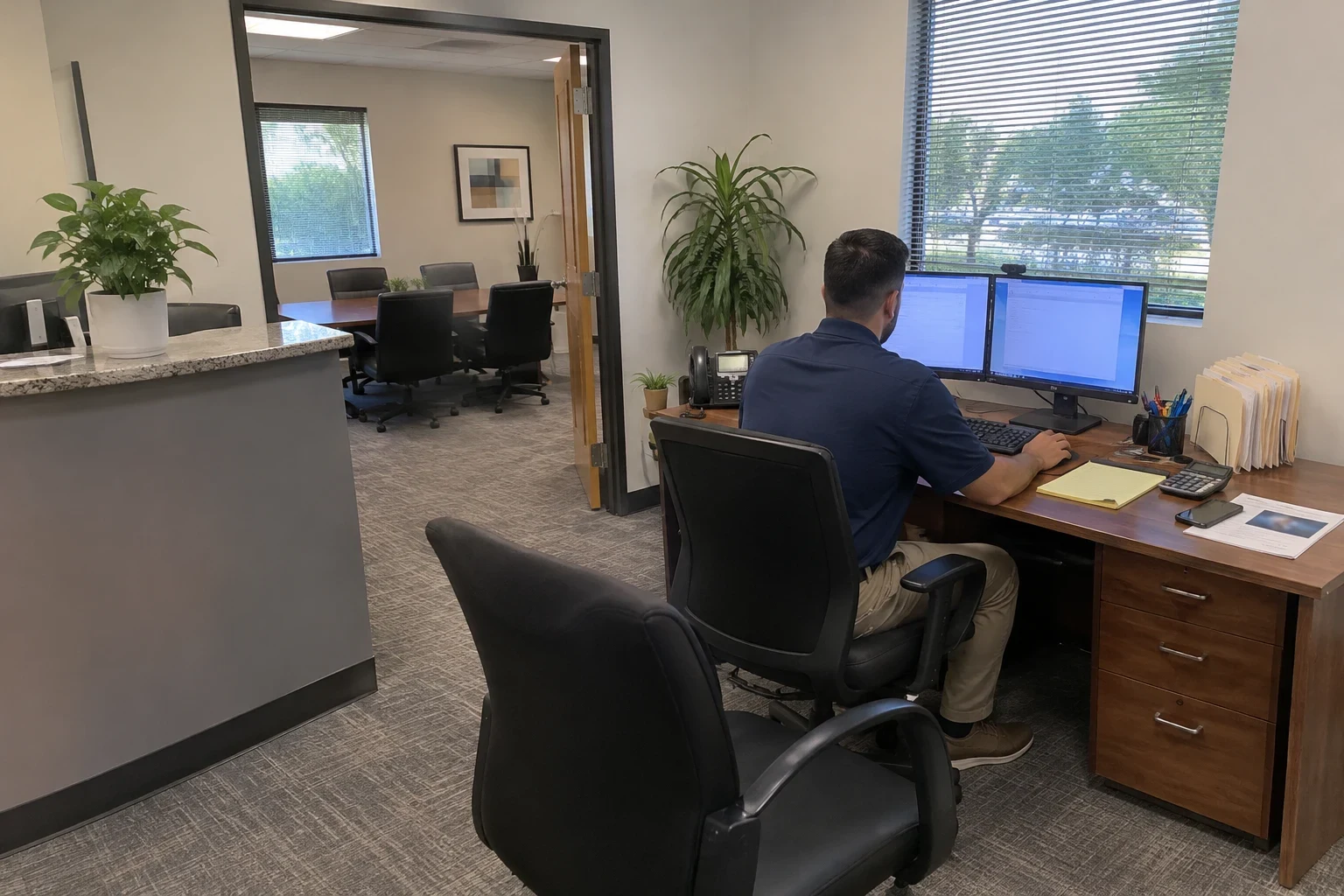
Why new agents should never start in debt to a lead vendor
At many agencies, a new agent's first expense is leads. Forum reports put them anywhere from several dollars to well over twenty dollars each, and a beginner closes only a small share while learning. The math is simple: you can spend more than you earn before your first sale lands, and many people quit right there.
Our model removes that cost. The agency pays for the leads, and you put in the hours and the work. The leads are people who requested information about life insurance, so the first call is a callback, not a cold call.
What sets the program apart is what happens after each appointment. We go back over how the lead was worked, check back on the ones that didn't close and show you how to handle the next contact. A lead is not finished the first time it goes quiet.
What a new agent gets from us
- Agency-paid leads
- Inbound requests from people who asked to hear about life insurance. You don't buy them, and you don't build a list by cold calling strangers.
- Post-appointment lead reviews
- After your appointments we read your notes and, where available, listen to the recording. We find where the conversation stalled and plan the next call on any lead still open. Most missed sales trace back to a lead nobody called again, not a bad first call.
- Free training and mentorship
- Product training, scripts and call reviews before your first lead, plus one-on-one time with a producing leader. The Free Agent Training & Mentorship page has the details.
- A daily coaching cadence
- Short daily check-ins keep your numbers honest: dials, contacts, appointments set and appointments held. Those four counts show whether a slow week is a lead problem or a skill problem.
- Licensing guidance
- You can't work a lead until Texas issues your life license. We split that into three steps: sitting the state exam with Pearson VUE, clearing a fingerprint background check at IdentoGO, then filing your application with TDI. The Life Insurance Licensing Help page covers each step.
Is this program a fit for you
You'll put in 50+ hours a week
Leads cost the agency real money, and they go cold quickly. They belong with agents who call promptly and keep calling back.
You take coaching well
Call reviews mean someone listens to your calls and points out what went wrong. If that sounds useful rather than annoying, you'll improve fast.
You're willing to get licensed
We teach you from zero, so prior sales experience isn't required. What is required: you're 18+, the Texas license minimum, and you clear the state life exam before any lead reaches you.
Not for salary seekers
Pay here is commission on what you sell, as an independent contractor. There's no base salary, so anyone who needs the same check every two weeks should look elsewhere.
Not a side gig
Working a handful of leads on weekends wastes them and teaches you little. We're looking for people treating this as their first real career.
What drives your income and your costs
Agency-paid leads take one expense off your plate, but they don't promise income. Your earnings depend on your hours, your skill and how consistently you follow up. Results vary, are not typical and are not guaranteed, so read our Earnings Disclaimer before you decide.
Hours and callbacks
A lead that gets a second and third attempt converts far better than one called once and dropped. Agents who spend the hours calling back earn more from the same set of names.
Skill and lead quality
Your closing rate climbs with training and call reviews. Lead quality also varies from batch to batch, which is why we track contact and appointment rates for every agent.
Commission-only 1099 pay
You work as an independent contractor paid on commission, with no base salary. The How Agents Get Paid page walks through contract levels in plain language.
Advances and chargebacks
When a policy issues, part of your commission may be paid early as an advance. If that policy lapses within roughly the first nine to twelve months, some of the advance can be charged back, so staying in touch with clients after the sale protects your income as well.
Your own expenses
The candidate usually covers the cost of getting licensed: the state exam fee, the fingerprinting fee and the $50 TDI application. On the career interview, ask what you'll need for E&O insurance, a phone and a computer.
How you get from a phone call to working leads
- 1
The career interview
On this first conversation you hear how the role, the hours and the current lead program actually work, so the terms are clear before you agree to anything.
- 2
Pass the Texas life exam
You book the state exam through Pearson VUE. Texas doesn't require a prelicensing course, but we strongly recommend exam prep and help you study.
- 3
Fingerprints and TDI application
The background check starts in TDI's fingerprint portal and finishes with an IdentoGO appointment. Once it clears, the $50 resident life application goes in through Sircon or NIPR.
- 4
Training and contracting
You learn the products, the scripts and how to log every lead contact, then finish your contracting paperwork.
- 5
First appointments with agency-paid leads
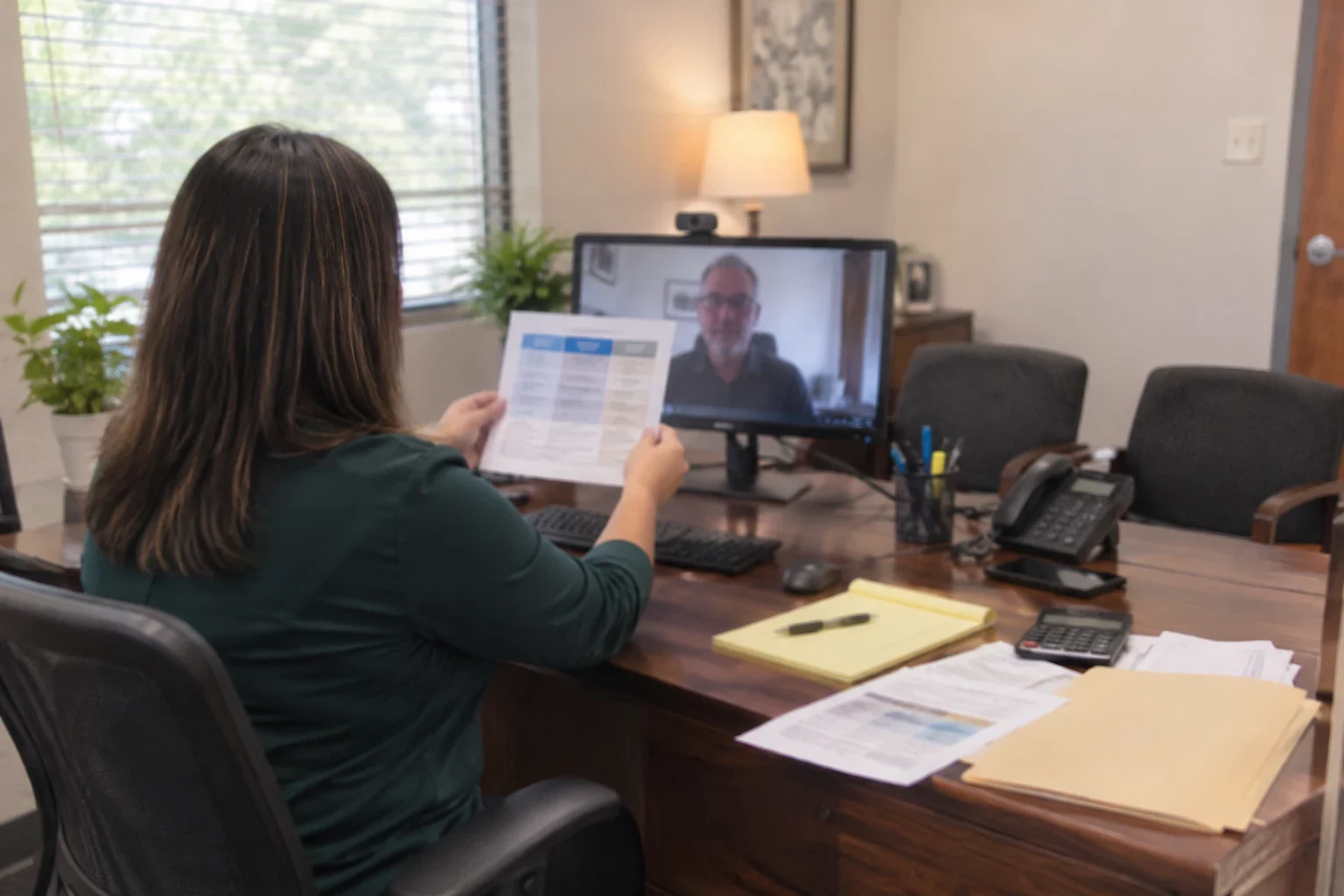
You start calling people who requested information. After those first appointments we meet with you by phone or video, review each one and set the follow-up plan for any lead still open.
What new agents ask about the lead program
Will I ever be billed for the leads I work?
No. The agency covers the cost of the leads assigned to you. You don't purchase them, and you don't begin your career owing money to a lead vendor. The current program terms are covered when we talk with you.
Who is on the other end of these leads, and is any of it cold calling?
Every lead comes from someone who filled out a request for life insurance information. When you dial, you're answering that request, so it isn't a cold call. Plenty of people miss the first attempt, which is exactly why follow-up is built into training.
What happens when a lead doesn't close?
It stays open. We go over the call with you, pin down why it stalled and plan the next contact. A lot of sales close on the second or third conversation.
How soon can I start working leads?
Once you've passed the state exam, TDI has approved your application, contracting is finished and training is done. How fast you get through the exam and the background check sets most of that timeline.
Can I work the leads from home?
Yes. Appointments happen by phone and video, so agents run them from home. The Remote Life Insurance Sales Jobs page explains the setup.
Talk through the lead program before you commit
On a career interview we explain how leads are assigned, how follow-up reviews work and what you'll pay for yourself. Bring your questions about pay and leads.